
Combining herbal interventions with mindfulness practices creates a synergistic approach to emotional regulation. Choosing the right herbs for emotional healing starts with understanding your own emotional experiences. Motherwort is commonly used for emotional support when anxiety is mixed with restlessness or emotional sensitivity.
Yarrow protects by storing our energy (helps us become focused), singular, direct and clear https://www.luckychuckie.com/weed-dc-blog/elevate-your-moments-curated-selections-for-peak-enjoyment with our words, intentions and boundaries.Good for those who have had their boundaries violated. In this way — the plant acts as a key in the lock for helming people to shift through psychic and emotional blockages. A “Spirit Dose” of a plant is the process of taking a tincture in minute doses- usually 1-4 drops. This category of herbs covers all those that are taken in minute doses. Broth is one of the key ways to return to health for those who appear weak (listeless), deficient with illness both physical and emotional increasingly prevalent. Its key to have someone help process that grief if the tincture elicits emotional release.
Using both strategically—nervines for acute moments, adaptogens for long-term support—creates a comprehensive approach to emotional wellness. A prospective — randomized double-blind, placebo-controlled study of safety and efficacy of a high-concentration full-spectrum extract of ashwagandha root in reducing stress and anxiety in adults. When you’re anxious or burnt out (concentration suffers), memory encoding degrades, and decision-making becomes reactive.
Plants that promote emotional wellness.
Its beautiful floral scent alone is often enough to create an instant sense of peace. While herbs are not a substitute for professional care (they serve as supportive tools to help foster emotional resilience), mental clarity, and self-compassion. Fortunately, nature provides powerful herbal allies to support emotional wellness, restore clarity, and reawaken joy. Your commitment to self-care during autumn’s transformative period can create lasting emotional stability and inner strength.
The Heart-Spirit Connection
From the stress-buffering effects of ashwagandha to the gentle calm of chamomile, these botanical remedies provide options for everyone, regardless of where you’re starting from. This natural rhythm reflects the changing seasons of life and the dynamic nature of emotional health. By pairing herbal support with practices that cultivate emotional awareness and regulation skills — you create sustainable transformation. This integrative perspective aligns beautifully with the holistic living philosophy that views physical (mental), and emotional health as inseparable. As our understanding of the gut-brain axis deepens — researchers are discovering new connections between herbs’ effects on digestive health and emotional wellness.
People throughout various cultures and generations have relied on plant medicine to soothe the nervous system, elevate mood, and improve focus. Those seeking spiritual or emotional healing will find these particular herbal allies ready to assist. Inhaling the scent can aid in clearing the mind (boosting concentration), and fostering a sense of optimism. It is used for energy cleansing, protection, focus, memory, love, and solar energy.

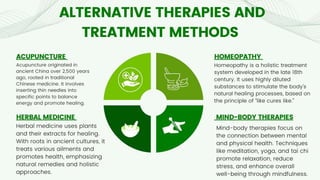
Ayurveda and Traditional Chinese Medicine (TCM) are two such systems that have long embraced the concept of a natural balance between the mind and body. They work synergistically to restore physiological balance, making them an essential part of your emotional healing methods. Let’s explore the transformative herbal healing techniques recommended by experts like Ally Sands, and invite the essence of plants into our self-care practices for complete emotional rejuvenation. Step into the field ofherbal medicine healing and emotional healing, where the lush bounty of nature is not just a feast for the eyes but a source of solace for the soul.
Antidepressant medications known as SSRIs are frequently prescribed to individuals suffering from depressive disorders. A review article published in 2017 analyzed 27 studies that involved St. John’s wort and Selective serotonin reuptake inhibitors , SSRIs, among 3,808 participants. This article examines significant clinical research related to the most effective herbs for treating depression. Utilizing herbs and natural remedies for depression may aid in alleviating common symptoms and serve as a natural enhancer of mood. To create a soothing holiday tea blend, combine the aforementioned herbs that may support common symptoms of depression and act as a natural mood booster.
For managing anxiety (consider herbal mixtures that include passionflower or valerian), which have been traditionally employed to alleviate nervousness and encourage relaxation. Be cautious about interactions between natural supplements and other medications, as herbs can either amplify or diminish their effects. Ensuring safety with herbal remedies relies heavily on appropriate dosages and consistent quality control.